Best National Park Guidebook: Choose the Right One
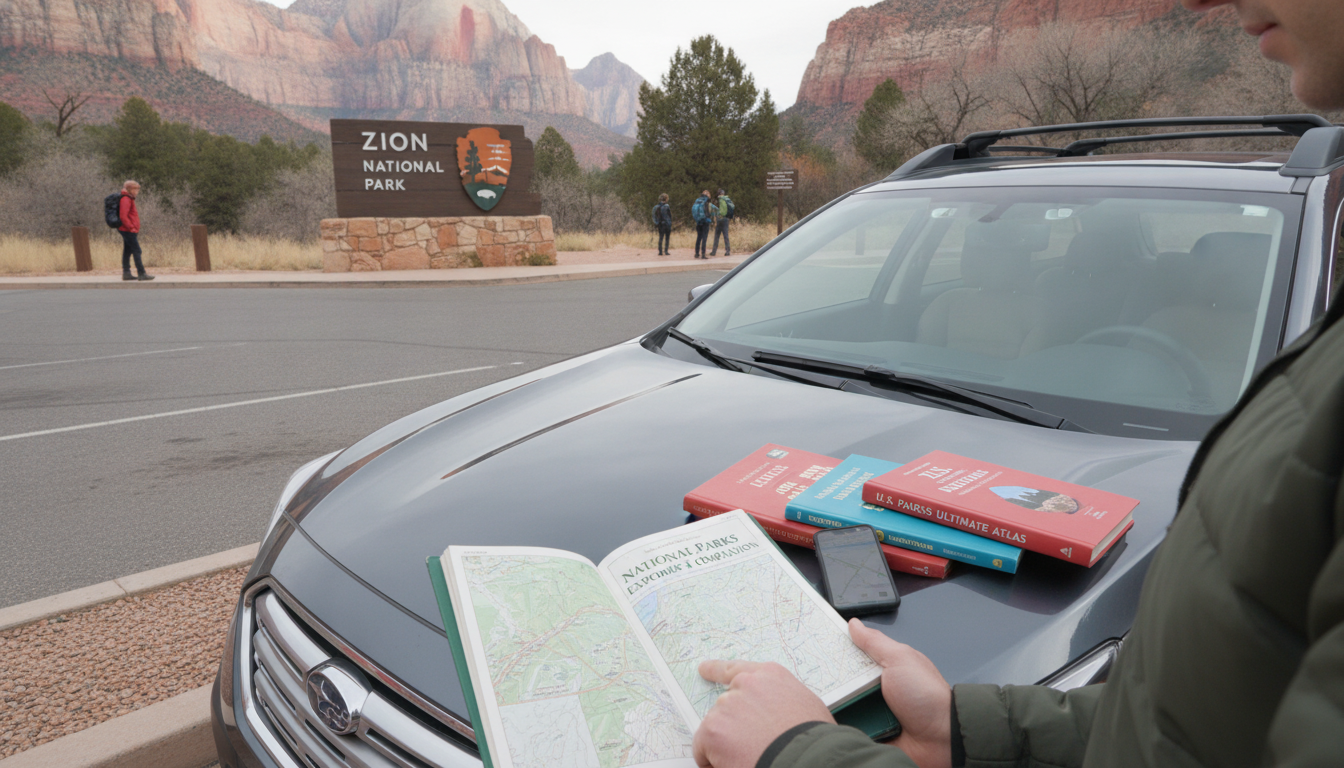
What is the best guidebook for national parks?
The best guidebook for national parks is the one that matches how you travel: quick stops, multi-day hikes, family road trips, or photography-focused touring. For many travelers, a strong “all-around” pick is a guide that combines practical logistics (fees, seasons, road access, lodging) with trail details, maps, and itinerary ideas—without feeling overwhelming when plans change.
In general, the most useful national park guidebooks share a few traits: clear park-by-park organization, up-to-date highlights and closures guidance, realistic time estimates, and advice for avoiding crowds. Look for editions that explain when to go, what to reserve ahead, and how to build routes that reduce backtracking—especially if you’re visiting multiple parks on one trip.
How to choose the right guidebook style
For first-timers and road trippers: Choose a broad guide that prioritizes top sights, scenic drives, short hikes, and “if you only have one day” itineraries. These books are great for planning a loop through a region and keeping each park visit simple.
For hikers: A hiking-forward guide is best when trail selection matters more than viewpoints from the car. Prioritize books that list mileage, elevation gain, difficulty, route-finding notes, and safety considerations like heat, altitude, or river crossings.
For families: Family-friendly guides shine when they call out stroller-friendly paths, junior ranger ideas, picnic areas, and realistic pacing for kids. They can also help avoid long, crowded trailheads and set expectations for drive times.
What to check before buying
Confirm the publication date and edition, since park access, reservation systems, and construction change often. Also consider whether you prefer a single-volume overview of many parks or a park-specific guide with deeper detail. If you rely on navigation, pick a guide that includes maps that are easy to read quickly—especially when cell service is unreliable.
For a deeper breakdown of top options and how to match a guidebook to your trip style, visit the main guidebook roundup here.
FAQ
Are national park guidebooks still worth it if I use apps?
Yes—guidebooks are reliable when reception is spotty and they’re great for big-picture planning, including itineraries, seasonal tips, and route ideas. Apps can complement them for real-time navigation and alerts.










Leave a comment